In today’s digital world, your phone number is often treated like a personal ID. From creating a social media account to verifying online services, almost every platform asks for it. But sharing your real number everywhere can expose you to spam, scams, and even identity theft.
The good news? You don’t need to give out your personal number every time. By using online SMS services, virtual numbers, or other alternatives, you can receive verification codes and messages without compromising your privacy.
In this guide, we’ll cover why you should protect your real number, how to receive SMS online step by step, which platforms you can use, and some reliable alternatives for maximum security.
Why You Shouldn’t Use Your Real Number Everywhere
Your phone number is more than just a way to contact you — it’s a digital key that connects to your identity, accounts, and personal data. Sharing it too freely can put you at risk in several ways:
- Spam and unwanted messages
Once your number ends up on marketing lists, you’ll likely receive promotional texts, robocalls, or even phishing attempts. Unsubscribing isn’t always effective, and spam often increases over time.
- Security risks (data leaks, SIM swapping)
If a website you register with suffers a data breach, your number could be exposed. Cybercriminals may then use it in SIM swapping attacks, gaining control of your calls, SMS, and two-factor authentication codes.
- Privacy concerns (tracking, identity exposure)
A single phone number can reveal your real-world identity. Many services can link your number to your name, social media, or even location, making it easier for companies or malicious actors to track you.
- Unwanted personal contact
Giving out your real number on marketplaces, dating apps, or forums can lead to strangers calling or texting you directly, which can be annoying or even dangerous.
- Increased risk of scams
Scammers often use phone numbers to impersonate banks, delivery services, or government offices. If your number is circulating online, you’re more likely to be targeted by SMS phishing (“smishing”).
- Difficulty changing your number
Unlike email addresses, phone numbers are hard to change without disrupting your life. If your number is compromised, you can’t just “delete and start over” easily — friends, family, and services all rely on it.
How to Receive SMS Online
Instead of using your real number, you can receive SMS online through virtual numbers or temporary numbers. These services allow you to access verification codes and messages via a website or app, without requiring a physical SIM card.
They’re beneficial when you want to protect your privacy or simply don’t want to expose your personal number.
Real-Life Scenarios Where Online SMS Is Useful
- Signing up for multiple social media accounts
Platforms like Facebook, Instagram, or Twitter often require phone verification. Online SMS allows you to create additional accounts without reusing your personal number.
- Testing an app during development
Developers can test registration and SMS functionality with temporary numbers, saving time and avoiding the need for multiple SIM cards.
- Joining promotions or giveaways without risking spam
Many promotions require a phone number. Using a disposable number keeps your inbox clean from marketing spam later on.
- Traveling abroad and needing a quick verification
If you don’t want to pay roaming fees or buy a local SIM, online SMS services can help you verify accounts or receive codes while overseas.
Popular Platforms to Receive SMS Online
There are two main types of platforms you can use, depending on your needs and budget:
Free services (public numbers, less secure)
These allow anyone to use shared numbers published on the website. They’re convenient and cost nothing, but inboxes are public, and others can see messages. Also, some websites may block known public numbers.
Examples:
- Receive-SMS-Online.info – offers free numbers from different countries.
- FreePhoneNum.com – simple interface with US-based numbers.
- Sms-Online.co – rotating numbers with public message inboxes.
Paid services (private numbers, safer, more reliable)
These platforms offer a dedicated temporary number for a fee. Since the number is private, it’s much safer and more likely to work on platforms that block free/public numbers. Many also support multiple countries and long-term rentals.
Examples:
- Sms-Activate.org – popular for affordable one-time numbers and app verification.
- 5SIM.net – offers both short-term and rental numbers across various countries.
Quick Comparison (Security, Speed, Availability)
| Feature | Free Services (Public Numbers) | Paid Services (Private Numbers) |
| Security | Low – inboxes are public and messages are visible to all. | High – messages only accessible by you. |
| Speed | Often delayed during high traffic. | Faster and more consistent delivery. |
| Availability | Limited; some sites block known free numbers. | Broad; works on more websites and apps. |
| Cost | Free. | Requires payment (usually per number or per SMS). |
Other Methods to Protect Your Number
If you’d prefer alternatives beyond temporary SMS websites, here are some other effective options:
- Virtual SIM cards / eSIMs
Virtual SIMs (or eSIMs) let you use an additional phone number without a physical SIM card. They’re perfect for travelers who want a local number abroad or anyone needing a second line for business or private use. eSIMs are more secure than public online numbers, and they work directly with your phone’s mobile network.
- Encrypted messaging apps
Apps like Signal, Telegram, or WhatsApp provide secure communication and reduce the need for traditional SMS. Some of them allow you to sign up with just an email or even a virtual number, minimizing exposure of your real phone number.
- Burner phone apps
Services such as Burner, Hushed, or CoverMe generate disposable phone numbers that you can use for calls and texts. Unlike free online SMS services, these apps keep your communication private and often allow you to control when the number expires. They’re especially useful for online dating, short-term projects, or selling items on marketplaces.
Step-by-Step: How to Receive SMS Online
Using an online SMS service is straightforward. Here’s a simple process anyone can follow:
- Choose a reliable online SMS service
Begin by selecting a reliable platform that provides either free public numbers or paid private numbers. Consider security, country availability, and ease of use.
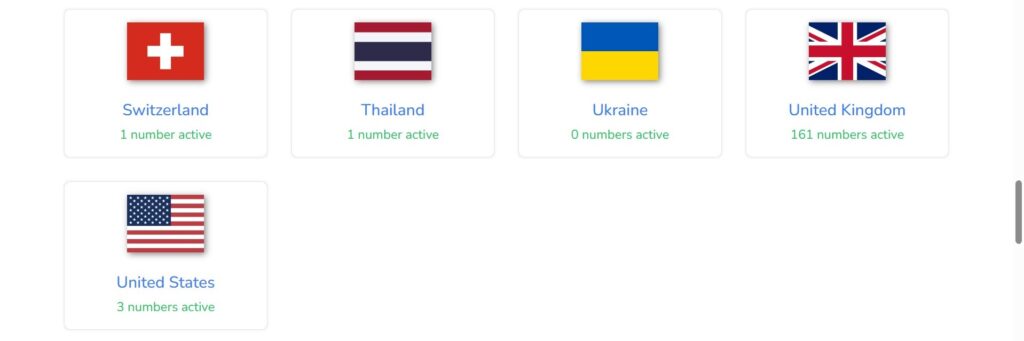
- Select a temporary or virtual number
Browse the list of available numbers and pick one that matches the country or service you need. Some sites also allow you to rent a number for more prolonged use.
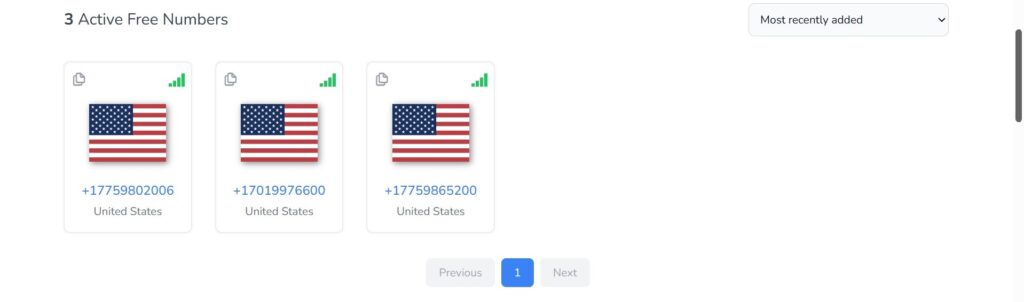
- Enter the number where you need verification
Copy the chosen number and paste it into the registration form, sign-up page, or app that requires phone verification.
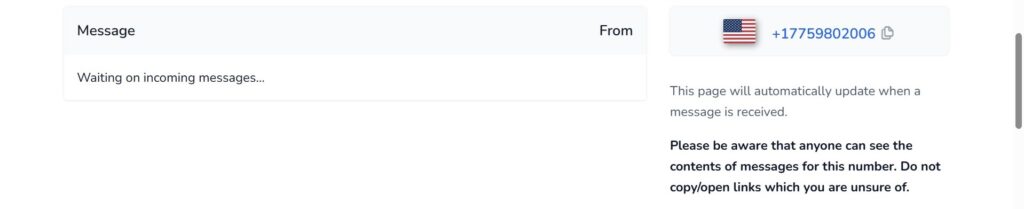
- Check the SMS inbox on the website/app
Return to the SMS service website or app, refresh the inbox, and wait for the verification code to appear. This may take a few seconds to a couple of minutes.
- Copy the code and complete the process
Once the message arrives, copy the code and enter it into the verification field. You can now complete your sign-up or login without using your personal number.
Conclusion
Your phone number is one of the easiest ways for companies, marketers, and even hackers to reach you. Sharing it too freely puts your privacy and security at risk. Fortunately, online SMS services, virtual SIMs, encrypted apps, and burner numbers make it simple to receive messages without exposing your real number.
Whether you just need a quick verification code, want to test an app, or need a second line for privacy, there’s a solution that fits your needs.